
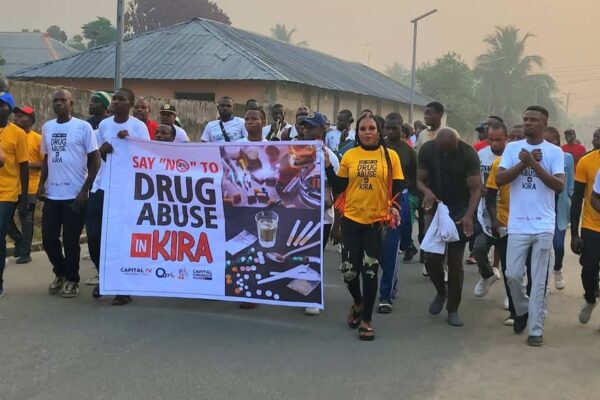
Kira Community Unites Against Drug Abuse
it will empower residents of Kira community with knowledge about the dangers of drug abuse, helping to break the stigma surrounding addiction
it will empower residents of Kira community with knowledge about the dangers of drug abuse, helping to break the stigma surrounding addiction

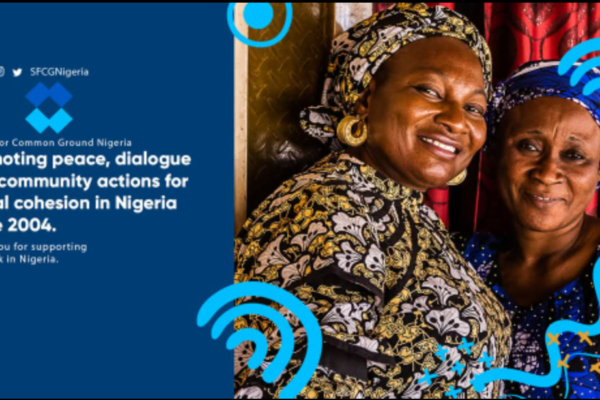
For over four decades, Search for Common Ground (SFCG) has been at the forefront of peacebuilding, working globally to foster trust and create pathways to collaboration
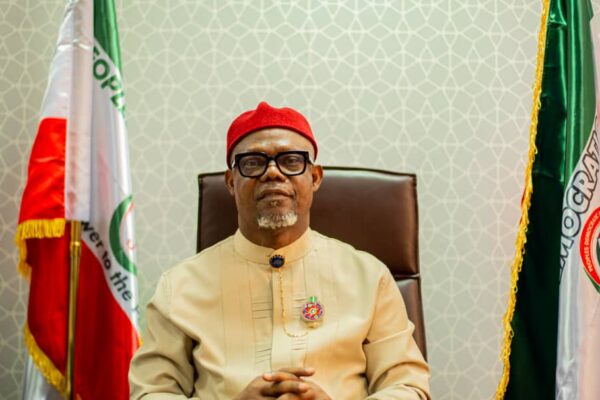
With this initiative, Senator Barinada has not only paved the way for brighter futures for the students but also enhanced Rivers State’s position in educational excellence in the region
This growing network of global cybercrime underscores that the problem is no longer contained within Nigeria’s borders. With the advent of the internet, geographical boundaries have become irrelevant and the global cybercrime economy has flourished
Early warning signs—such as escalating tensions between communities, signs of criminal activity, or disputes over resources—are often not communicated in time to the right authorities or groups who could take timely action to prevent further escalation
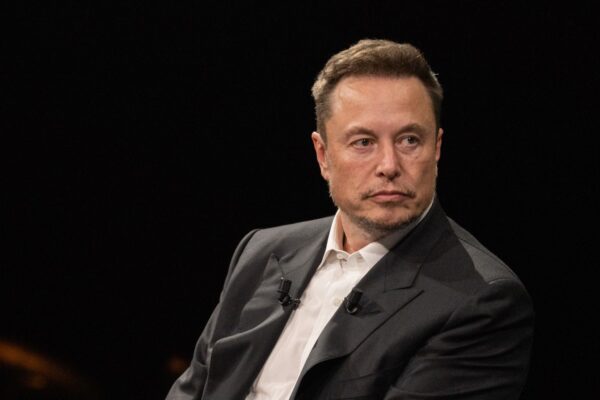
As the next US 2024 election approaches, a growing number of Americans are rallying around their preferred candidates. While the outcome of the election is creating a big buzz online and offline, several people are now making it clear who their preferred candidate is. In a recent tweet, X’s (formerly Twitter) CEO, Elon Musk, highlighted his support for Republican candidate Donald Trump. The Tesla boss noted that without Trump’s leadership, America could face a dangerous political shift that threatens democracy itself. “Very few Americans realize that, if Trump is not elected, this will be the last election. Far from being a threat to democracy, he is the only way to save it! “Let me explain: if even 1 in 20 illegals become citizens per year, something that the Democrats are expediting as fast as humanly possible, that would be about 2 million new legal voters in 4 years. “The voting margin in the swing states is often less than 20 thousand votes. That means if the “Democratic” Party succeeds, there will be no more swing states!!” He further accused the Democrats of trying to create a one-party system in the US using asylum seekers. “Moreover, the Biden/Harris administration has been flying ‘asylum seekers’, who are fast-tracked to citizenship, directly into swing states like Pennsylvania, Ohio, Wisconsin, and Arizona. It is a surefire way to win every election. “America then becomes a one-party state, and democracy is over. The only ‘elections’ will be the Democratic Party primaries. This already happened in California many years ago, following the 1986 amnesty. “The only thing holding California back from extreme socialism and suffocating government policies is that people can leave California and remain in America. Once the whole country is controlled by one party, there will be no escape. “Everywhere in America will be like the nightmare that is downtown San Francisco,” Must concluded. Reacting to Elon Musk’s tweet, a user said, “You can’t make it any clearer. Trump is our only hope for America to survive. Otherwise, we plunge into total darkness and despair. Your kids and grandkids’ future depends on it.” Another user shared a strong opinion on Twitter, stating, “This is the fight for the soul of our nation. Freedom and Our Republic are literally on the ballot. We have to vote for Trump.”
The World Bank has recently approved three significant projects for Nigeria, amounting to $1.57 billion in financing. This funding aims to tackle various governance challenges in critical sectors such as education and healthcare, enhance primary healthcare services, and bolster resilience against climate change. On September 26, 2024, the World Bank reaffirmed its commitment to Nigeria’s development by approving this financing package. With over 40% of its population living below the poverty line and a struggling healthcare system, the need for sustainable development solutions is more pressing than ever. Previous World Bank projects have aimed to address similar issues, setting a foundation for these new initiatives. The most recent funds are intended to strengthen human capital and improve infrastructure, ultimately addressing poverty and enhancing productivity across the nation. The package consists of a $1.5 billion loan and a $70 million grant, reflecting a broader strategy to uplift key sectors. Breakdown of Projects HOPE-GOV Program: Funding: $500 million Objective: Improve governance in education and health sectors. Focus: Address financial and human resource management issues to enhance service delivery. The goal is to ensure that basic education and primary healthcare services reach vulnerable populations through improved transparency and accountability. Primary Healthcare Provision Strengthening Program (HOPE-PHC): Funding: $570 million Objective: Strengthen Nigeria’s healthcare system, particularly for women, children, and adolescents. Focus: Reduce maternal and under-five mortality rates while enhancing health infrastructure resilience. The program aims to provide quality reproductive and child health services to approximately 40 million Nigerians in underserved areas, supported by a $500 million International Development Association (IDA) credit and a $70 million grant from the Global Financing Facility (GFF). Sustainable Power and Irrigation for Nigeria Project (SPIN): Funding: $500 million Objective: Protect Nigeria from climate-induced challenges such as floods and droughts. Focus: Enhance dam safety, improve water resource management, and expand irrigation services to benefit around 950,000 people, including farmers and livestock breeders. The project will also develop a master plan for hydropower generation, aiming to boost energy production through public-private partnerships. The Impact of Continuous Borrowing World Bank’s $1.57 billion commitment to Nigeria represents a pivotal opportunity for transformation across critical sectors. If executed effectively, these projects could not only improve immediate living conditions but also lay the groundwork for a more resilient and self-sustaining economy. While these projects promise significant improvements in critical sectors, the continuous borrowing from the World Bank raises concerns about the long-term implications for Nigeria’s economy. Each loan compounds the nation’s debt burden, potentially mortgaging the future of Nigerians. The continuous borrowing raises critical questions about the long-term sustainability of Nigeria’s economic future. It is essential for the Nigerian government to balance immediate needs with the long-term implications of its financial decisions to ensure a prosperous future for all citizens. Relying on external financing can lead to a cycle of dependency, where the government prioritizes loan repayments over local investments in infrastructure and social services. In addition, high levels of debt may deter foreign investment and hinder economic growth. Investors often seek stable environments, and excessive borrowing can create uncertainty about Nigeria’s financial health. Without a clear strategy for sustainable development and economic diversification, Nigeria risks becoming trapped in a cycle of borrowing that does not yield long-term benefits.
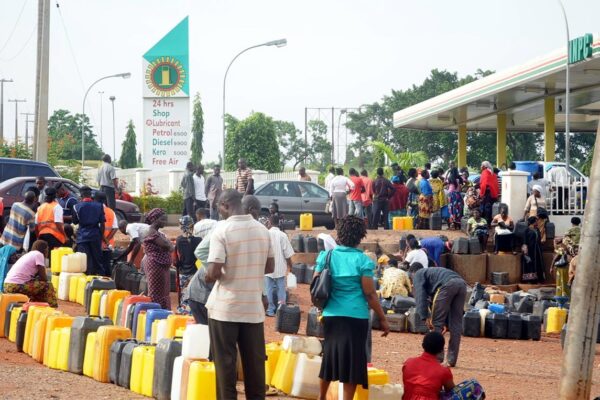
The recent surge in fuel prices in Nigeria has sparked widespread concern and speculation. While the Federal Government has vehemently denied any involvement in the fuel price hike, the reality on the ground tells a different story. Fuel prices have reached alarming levels, with reports indicating that petrol prices have topped ₦897 per liter at various NNPCL outlets in Abuja. This significant increase has placed a heavy burden on consumers, particularly those in low-income households. “The Federal Government is compelled to address the outright falsehoods currently being circulated on social media, which claim that the Minister of Petroleum Resources (Oil), Senator Heineken Lokpobiri, has directed the Nigerian National Petroleum Company Limited to inflate petroleum prices above the approved pump price,” said Nnemaka Okafor in a statement signed by the Special Adviser, Media and Communication, to the Minister for Petroleum Resources (Oil), Heineken Lokpobiri. The impact of rising fuel prices extends far beyond transportation costs, as it affects the prices of essential goods and services. The Nigerian National Petroleum Company Limited (NNPCL) has been grappling with challenges in ensuring adequate fuel supply to the local market. Factors such as supply disruptions, logistical issues, and infrastructure constraints have contributed to the shortage. These challenges have created an environment ripe for price speculation and profiteering. The government’s denial of any role in the price hike raises questions about its ability to effectively manage the petroleum sector. While the NNPCL operates as an independent entity, the government’s oversight and regulatory functions are crucial in ensuring a stable and competitive market. “We categorically condemn these claims as baseless, malicious, and a deliberate attempt to incite public discontent. We challenge anyone in possession of any evidence written documents, audio, or video recordings-that support these fabrications to make it public. “Such a claim is entirely devoid of truth and should be recognised as an intentional effort to mislead the public. It must be stressed that NNPCL operates as an independent entity under the Companies and Allied Matters Act, with a fully empowered Board of Directors. “The Ministry of Petroleum Resources does not, and will not, interfere in the internal decisions of NNPCL, including pricing matters. Any suggestion otherwise is not only incorrect but also reveals a profound misunderstanding of the deregulated nature of Nigeria’s petroleum sector.” The rising fuel prices in Nigeria have far-reaching implications for the economy, social stability, and the well-being of citizens.
In a significant development, the Nigerian Police Force has declared Andrew Wynne, a British national, as wanted in connection with an alleged conspiracy to undermine Nigeria’s democratic government under President Bola Tinubu. Known also by the names Andrew Povich and Drew Povey, Wynne is accused of masterminding a scheme aimed at destabilizing the country and orchestrating an unconstitutional regime change. The police spokesperson, Olumuyiwa Adejobi, detailed that Wynne’s covert operations were conducted under the cover of legitimate businesses. He reportedly rented a property at Labour House in Abuja, where he established the “Iva Valley Bookshop” and founded the “STARS of Nations Schools.” These entities were allegedly used as fronts for his subversive activities aimed at destabilizing the Nigerian government. Adejobi revealed that authorities have gathered substantial documentary evidence and confessions that implicate Wynne in orchestrating and financing a series of disruptive protests that occurred in August. He is accused of providing financial support, operational guidance, and strategic direction to various operatives involved in the plot. The evidence points to Wynne’s active role in issuing directives, monitoring the protests, and advancing his destabilization agenda. Additionally, the Nigerian Police Force has summoned Comrade Joe Ajaero, the President of the Nigeria Labour Congress (NLC), for questioning. Ajaero, who is a tenant at Labour House where Wynne’s purported operations were based, is being investigated for any potential involvement or connections to the alleged plot. “The Nigeria Police Force is conducting a thorough investigation into the involvement of both foreign nationals and local accomplices in efforts to undermine Nigeria’s democratic institutions,” Adejobi stated. Adejobi elaborated that initial findings suggest the suspects were engaged in a range of unlawful activities, including inciting violence, spreading false information, and creating widespread chaos to justify their illegal aims. In a related development, the police have apprehended nine individuals who are suspected of receiving substantial financial backing from foreign sources to aid their destabilization efforts. This comes on the heels of the Department of State Services (DSS) arresting several Polish nationals in Kano during the protests, who were subsequently released after several weeks in detention. As the investigation continues, authorities are working to uncover the full scope of the conspiracy and ensure that all those responsible are held accountable.
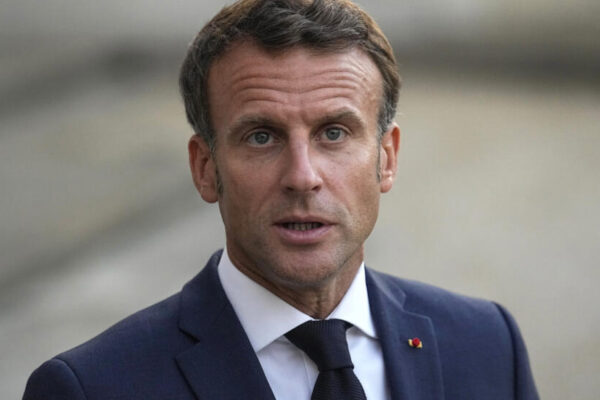
French President Emmanuel Macron has addressed the recent arrest of Pavel Durov, the founder of Telegram, which occurred on French territory. Macron clarified that this action is part of a broader judicial investigation and emphasized that it is devoid of any political motivations. In his response, President Macron took to X (formerly Twitter) to counter what he described as misleading narratives circulating about France’s stance on this matter. “I have observed numerous inaccuracies regarding France’s position following Pavel Durov’s arrest,” Macron stated. “France is unwavering in its commitment to upholding freedom of expression, communication, and innovation. Our dedication to these principles remains steadfast.” Macron further elaborated that in a nation governed by the rule of law, freedoms are protected within a structured legal framework, both in digital spaces and in everyday life. “It is essential for the judiciary, acting with complete independence, to enforce the law,” he added. “The arrest of Pavel Durov is part of an ongoing judicial process and should not be misconstrued as a political maneuver. It is the responsibility of the judicial authorities to make determinations regarding this case.” This statement from Macron has generated significant global interest and commentary, with notable figures like Elon Musk weighing in. Musk, known for his influential voice in the tech world, responded to Macron’s clarification by calling for greater transparency. “It would be beneficial for the global public to receive more details about the reasons behind Pavel Durov’s arrest,” Musk tweeted, reflecting widespread curiosity and concern over the situation. In the wake of Durov’s arrest, the Russian embassy in France has been actively seeking access to the detained individual but has faced obstacles. The embassy issued a statement accusing French authorities of hindering their attempts to engage with Durov. This diplomatic friction underscores the international dimension of the incident and the complex interplay between legal processes and global relations. The arrest has thus sparked a broad discussion on the intersection of law, politics, and personal freedoms, highlighting the tension between national judicial actions and international perceptions. As the situation develops, it will continue to draw scrutiny from both the public and international leaders.